What is Applied science?
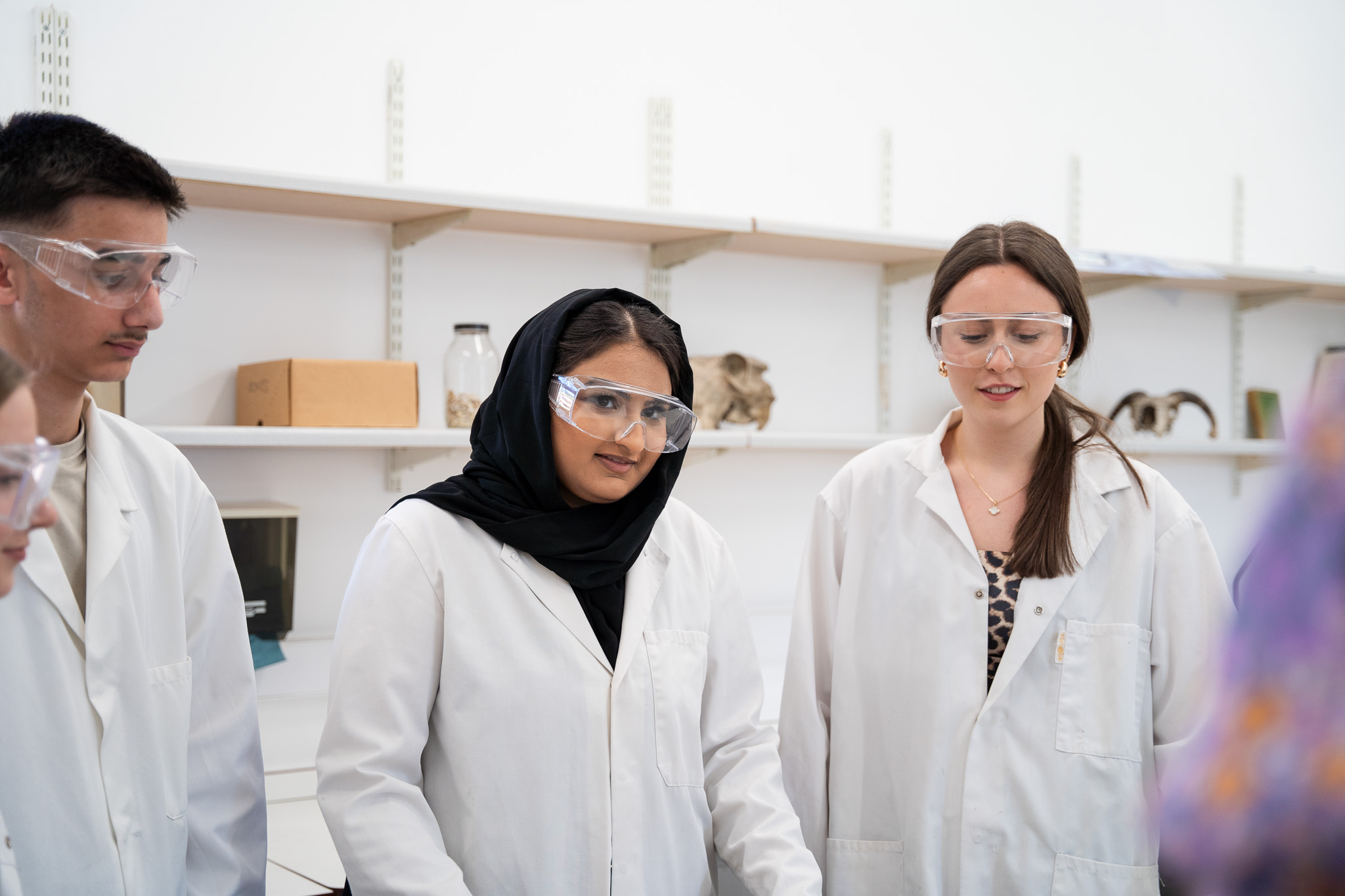
The OCR Cambridge Advanced National in Applied Science is a Level 3 vocational qualification designed for students who want to develop both theoretical knowledge and practical skills in science. Available as a Certificate (180 GLH) or Extended Certificate (360 GLH), it combines exam-based and coursework (NEA) assessment to provide a balanced understanding of biology, chemistry, and physics in real-world contexts.
Why study Applied science?
This course stands out for its strong connection between scientific theory and real-world applications such as healthcare, environmental challenges, and industry, making learning both meaningful and relevant. Through the course, students build valuable skills including practical laboratory techniques, critical thinking, data analysis, and clear communication. This qualification holds strong value with universities and employers due to its blend of academic knowledge and hands-on experience, helping prepare students for higher education and future careers.
Is Applied science right for you?
The ideal student has an interest in science and real-world applications such as healthcare or the environment, along with curiosity and a willingness to take part in practical work. Strong organisation, problem-solving, and critical thinking skills are important. A background in GCSE Science and basic maths helps prepare students well for the course.
What will you study?
Fundamentals of science
Biology, chemistry and physics fundamentals, including required practical work
Science in society
Planning, performing and analysing a scientific investigation
Investigating science
The role of science in society, how scientists work with data and how science is communicated
Analytical chemistry
Techniques to separate, identify and quantify substances
Environmental studies
Ecosystems, biodiversity, fieldwork and data analysis
Forensic biology
Biological techniques applied to forensic contexts
Medical physics
Physics in medical and biological contexts
What happens outside lessons?
Students can take part in enrichment activities such as microbiology days at Teesside University and crime scene investigation days, giving real insight into scientific careers. These experiences allow students to develop practical skills and see how science is used in real-world settings. Additional opportunities like workshops, guest speakers and science-related activities further enhance understanding and interest in the subject.
Where can Applied science take you?
This subject can lead to a wide range of careers, including laboratory technician, biomedical scientist, forensic scientist, nurse, environmental scientist, pharmacist, research scientist, and science teacher.
What subjects go well with Applied science?
This course complements subjects such as Engineering, Health and social care, and Medical science, as they all build on scientific knowledge and support progression into related careers.