What is Biology?
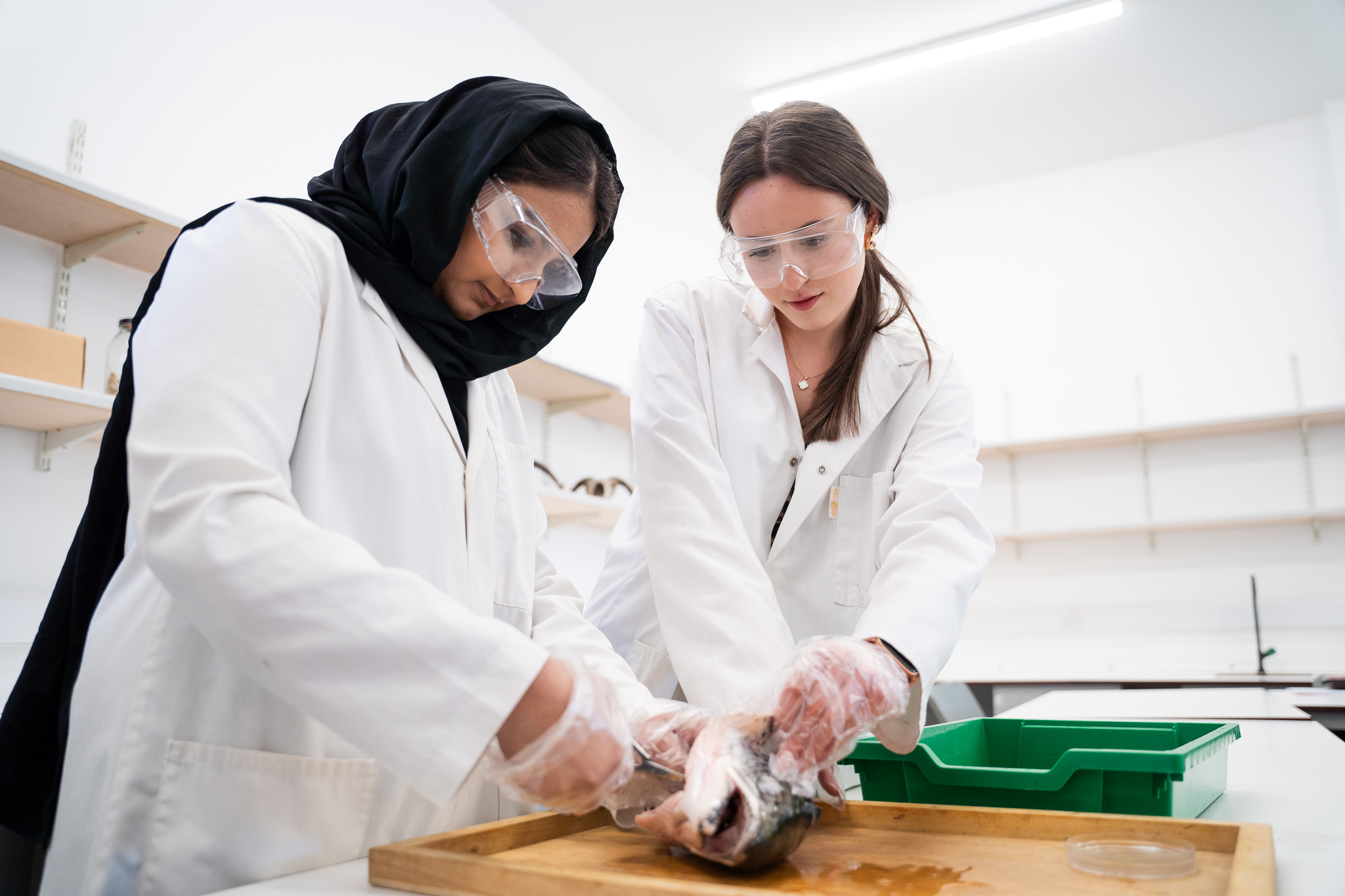
A level Biology is a two-year course covering biological molecules, cells, exchange, genetics and variation, energy transfers, responses, populations and evolution, ecosystems and the control of gene expression, alongside the GCSE maths and statistics skills you will need. It is a busy course, taught through a mix of lessons, practical work and independent study. You will have 4.5 taught lessons a week and be expected to put in at least the same again outside the classroom.
Why study Biology?
A level Biology will give you the skills to make connections and associations with all living things around you. Biology literally means “the study of life” and if that’s not important, what is? Being such a broad topic, you’re bound to find a specific area of interest, plus it opens the door to a fantastic range of progression opportunities from degrees or degree apprenticeships in biology, psychology, sport and exercise science, medicine, anatomy, physiology, pathology pharmacology, toxicology and veterinary science or full-time employment.
Is Biology right for you?
If you’re curious about living things and enjoy learning about them, are a competent mathematician and willing to work hard during lessons and independently, Biology could be the subject for you. At Prior Pursglove College, you will have 4.5 lessons with a teacher each week and be expected to complete a minimum of 4.5 hours outside of the classroom. You will need to achieve at least a grade 6 in GCSE Biology or GCSE Combined Science and GCSE Maths.
What will you study?
Biological molecules
Monomers and polymers, carbohydrates, lipids, proteins, enzymes and nucleic acids
Cells
Cell types, mitosis, studying cells and immunity
Exchange
Gas exchange, digestion, animal and plant transport
Genetics and variation
DNA organisation, protein synthesis, mutations, meiosis, classification and biodiversity
Energy transfers
Photosynthesis, respiration, energy transfers and cycles
Responses
Simple responses, receptors, the nervous system, muscles, the endocrine system and homeostasis
Genetics, populations, evolution and ecosystems
Inheritance, evolution and populations in ecosystems
Control of gene expression
Gene expression, gene regulation and cancer
What happens outside lessons?
Outside of the classroom, you will have the opportunity to enter the Biology Olympiad, attend talks from local universities on a range of different career pathways and link with local industries to secure work experience placements.
Where can Biology take you?
Biological sciences · Biomed · Medicine · Veterinary science · Pharmacology · Dentistry · Marine biology · Nature conservation · Forensics · Optometry · Research scientist · Midwifery · Physiotherapy · Teacher
What subjects go well with Biology?
Chemistry · Maths · Psychology · PE · Geography · Sociology