What is Classical Civilisations?
A level Classical Civilisations is the study of cultural history in ancient Greece and Rome. Students explore a range of topics including ancient stories and how they reflect the cultures that created them, through Augustan Rome with a particular focus on propaganda, and up to a cultural study of ancient ideas about love and relationships. Unlike a traditional history course this allows students to build up an understanding of an entire culture rather than focussing on particular historical events. The course develops strong analytical and evaluative skills through the study of a range of ancient sources, as well as developing research and application skills.
Why study Classical Civilisations?
Classical Civilisations is a history subject but develops a wide range of cross-curricula elements including Sociology, Psychology, literature, philosophy to name just a few. It develops critical and evaluative thinking as well as research and communication skills prized by universities and employers. It is regarded as a ‘priority’ subject by some of the top universities in the country and offers a unique experience not available to many students in the country, as well as offering the opportunity to study the whole breadth of human experience and culture.
Is Classical Civilisations right for you?
This course suits enthusiastic and curious students who enjoy studying something a bit different. There is no need to have any knowledge of the course, but a love of reading and history is helpful. Students in this class excel when they ask questions and discuss ideas with each other. As a history subject, ideas can be very subjective, so a willingness to argue your own opinion and use evidence-based ideas to support those opinions is vital!
What will you study?
Homer's Odyssey
What is heroism and how has it evolved? What role did men and women have in ancient Greece? How did people think about the gods? What role did slaves play in the ancient world?
Imperial image: power and image in Augustan Rome
Augustus’ relationship with and use of Julius Caesar, Augustus as a military leader, his new golden age of peace and prosperity, Augustus as a father figure and as a religious leader
Virgil's Aeneid
What role did men and women have in ancient Rome? How does Virgil’s poetry function as propaganda?
Love and relationships
Sappho, Ovid, Plato and Seneca on love, desire, sex, sexuality and gender
What happens outside lessons?
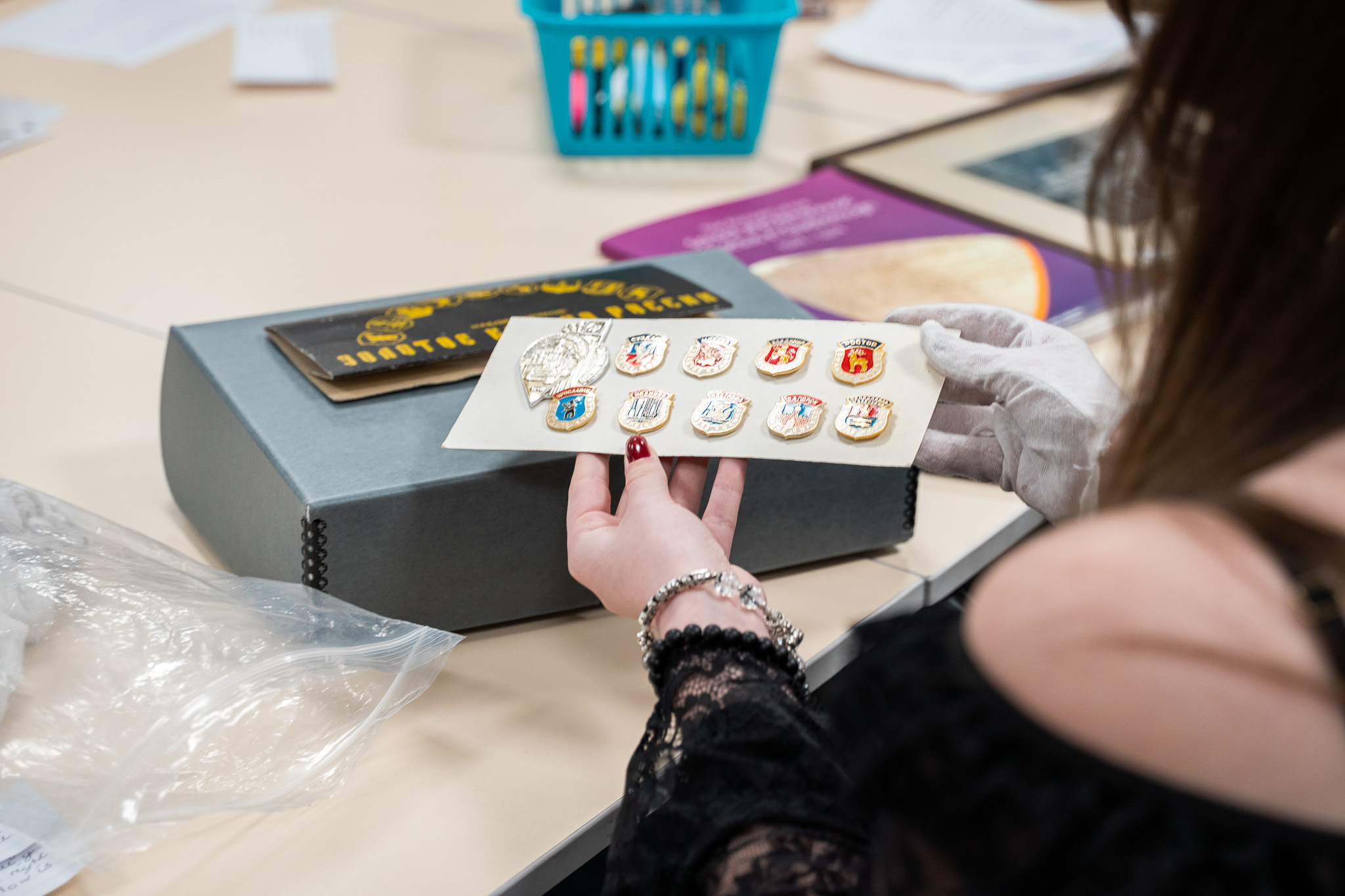
Students have the opportunity to attend lectures and conferences at local universities including a Classics day at Newcastle University and a Classics Conference at Durham University. There is also the opportunity to take part in joint-visits with History students to Helmsley archaeological store, visits to sites in London and potential theatre trips, as well as a bi-annual visit to Rome to see the sites we study in the flesh. As well as these, students have the opportunity to develop their study by taking an optional GCSE Latin course as an extra spread across the two years.
“It was by far the most interesting subject I took, the range of subjects covered within it make it difficult to get bored despite the repetition in essay structures. What I most enjoyed was definitely the discussion within class and the revision sessions, the deep exploration and collaboration in regards to subject content and somewhat linked digressions in topic meant that not only was it easier to stay focused but it made you feel like you understood the content better because you were able to discuss and argue your viewpoint as well as ask for support when you need it without judgement.”
Where can Classical Civilisations take you?
Museum/gallery curator, archivist, heritage manager, museum officer, archaeologist, academic researcher/lecturer, teacher, solicitor, barrister, civil service, local government, editor, journalist, marketing, project manager, HR, script writer, director, artist, games designer, publishing
What subjects go well with Classical Civilisations?
History, English Literature, Philosophy, Sociology, Psychology, Fine Art, Law, Drama, English Language, Criminology, Geography, Geology, Biology and Chemistry